Pocket Books
“A pocket book for your pocketbook!”
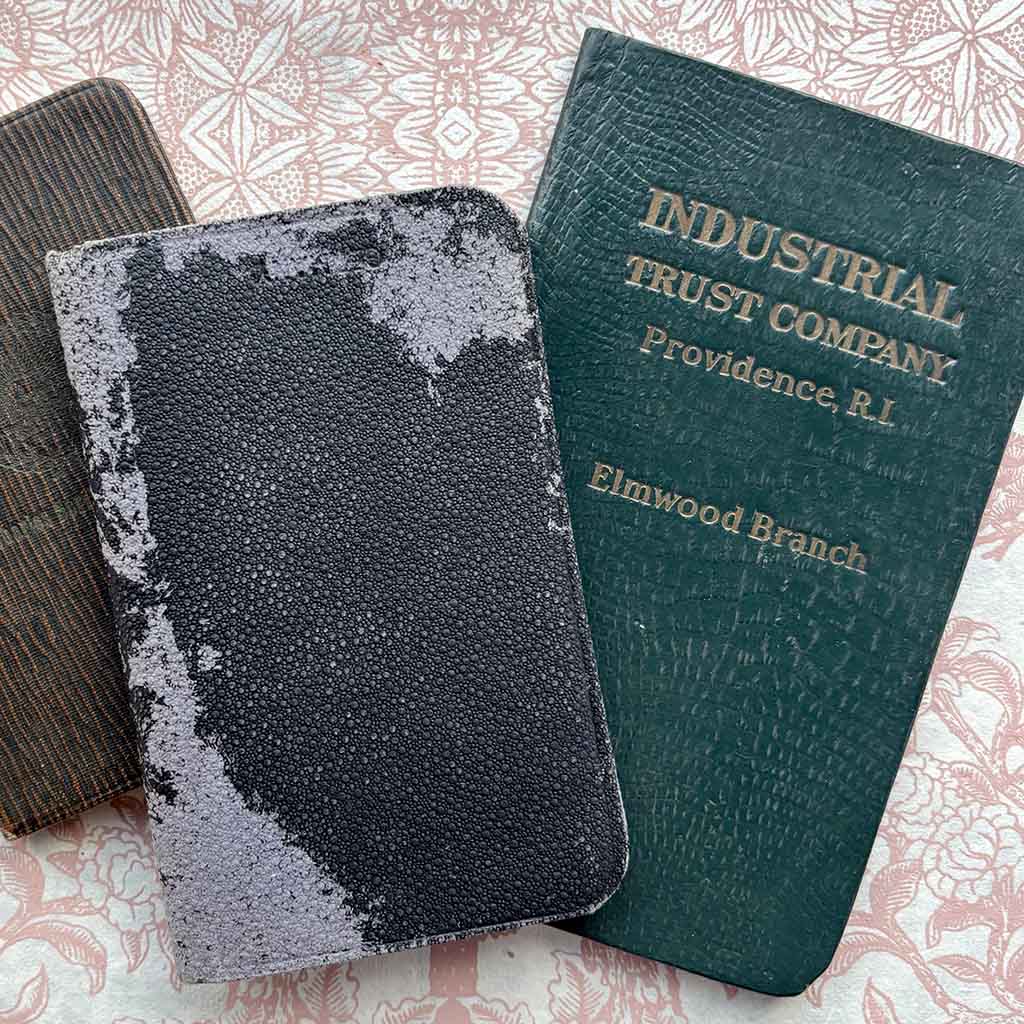
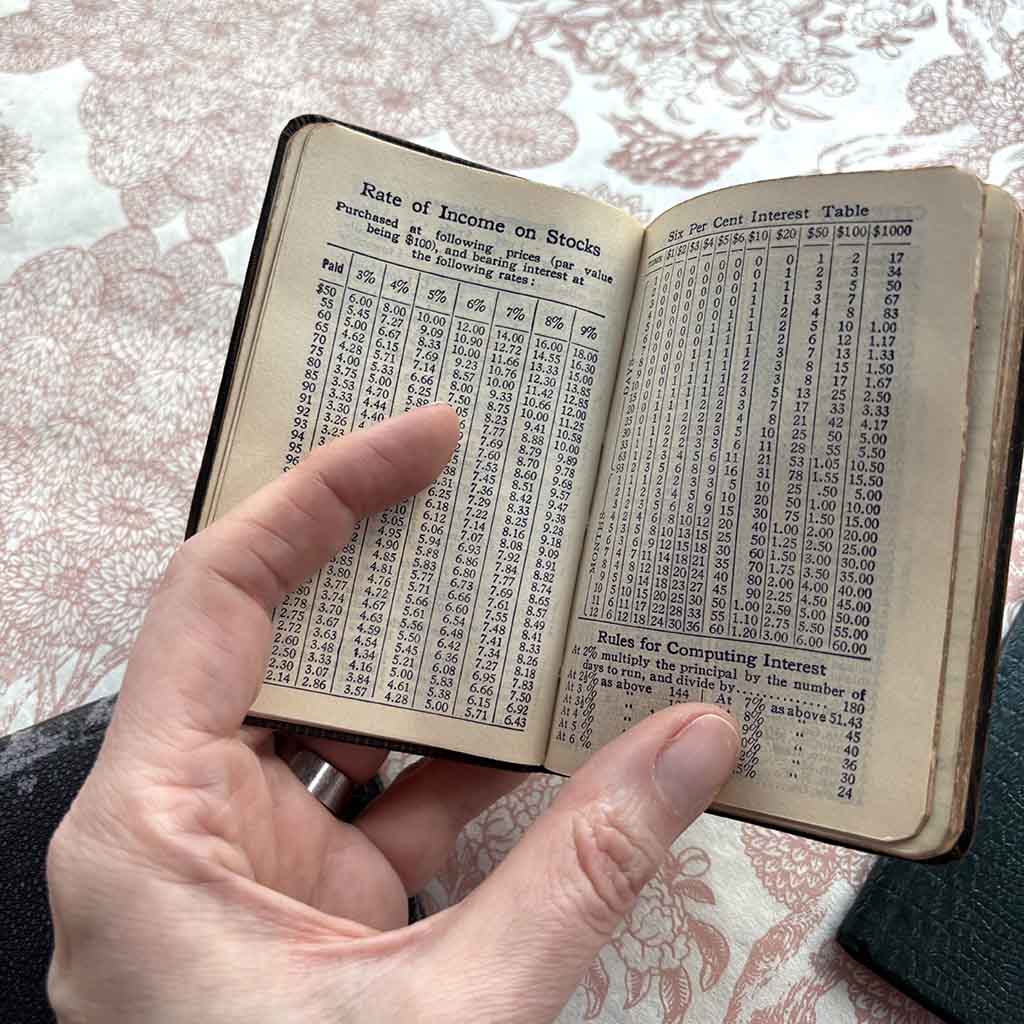
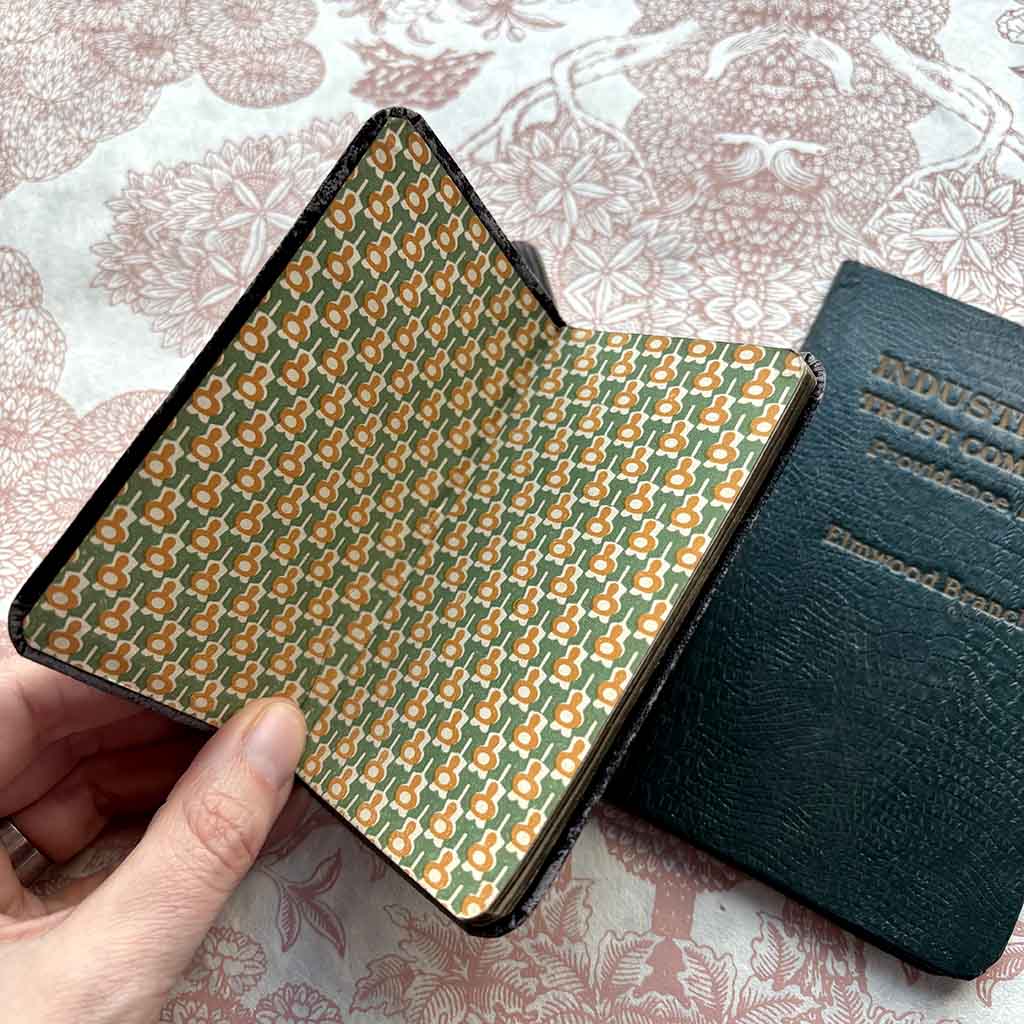
Pocket-sized books have a long history, but they became especially popular in the late nineteenth and early twentieth centuries as printing technology improved and everyday life grew increasingly mobile. Advances in cheap paper production, compact binding methods, and mass printing allowed publishers and businesses to produce small books that could easily slip into a jacket pocket or handbag. These miniature volumes were practical tools rather than decorative objects. Banks, insurance companies, railroads, and manufacturers often distributed them as promotional items filled with calendars, financial tables, conversion charts, or blank pages for notes.
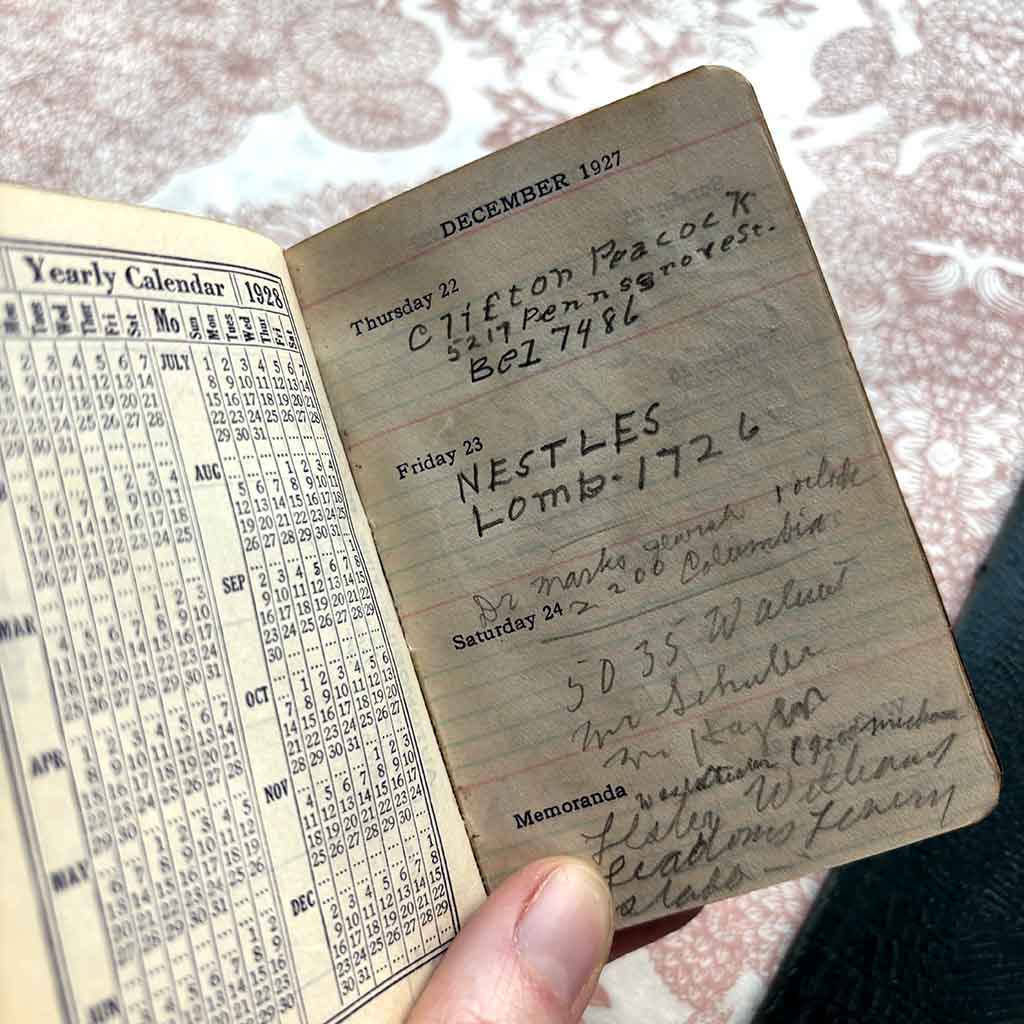
During the early twentieth century, pocket books became indispensable everyday companions. Workers carried them to track expenses, appointments, and transactions, while travelers used them to record mileage, train schedules, or addresses. Many included reference material such as interest tables, yearly calendars, or simple accounting guides, reflecting a time when quick calculations and record keeping had to be done by hand. Their compact size made them perfect for constant use, and their sturdy covers helped them withstand months or years of handling in pockets and desk drawers.
Today these small volumes offer a fascinating glimpse into the rhythms of ordinary life a century ago. The penciled notes, names, and figures tucked into their pages capture small fragments of human activity: a payment made, a debt recorded, a name remembered. What began as a simple practical object becomes, over time, a quiet record of how people moved through their days, leaving behind traces of lives that would otherwise pass unnoticed.