A Workman’s Cypher
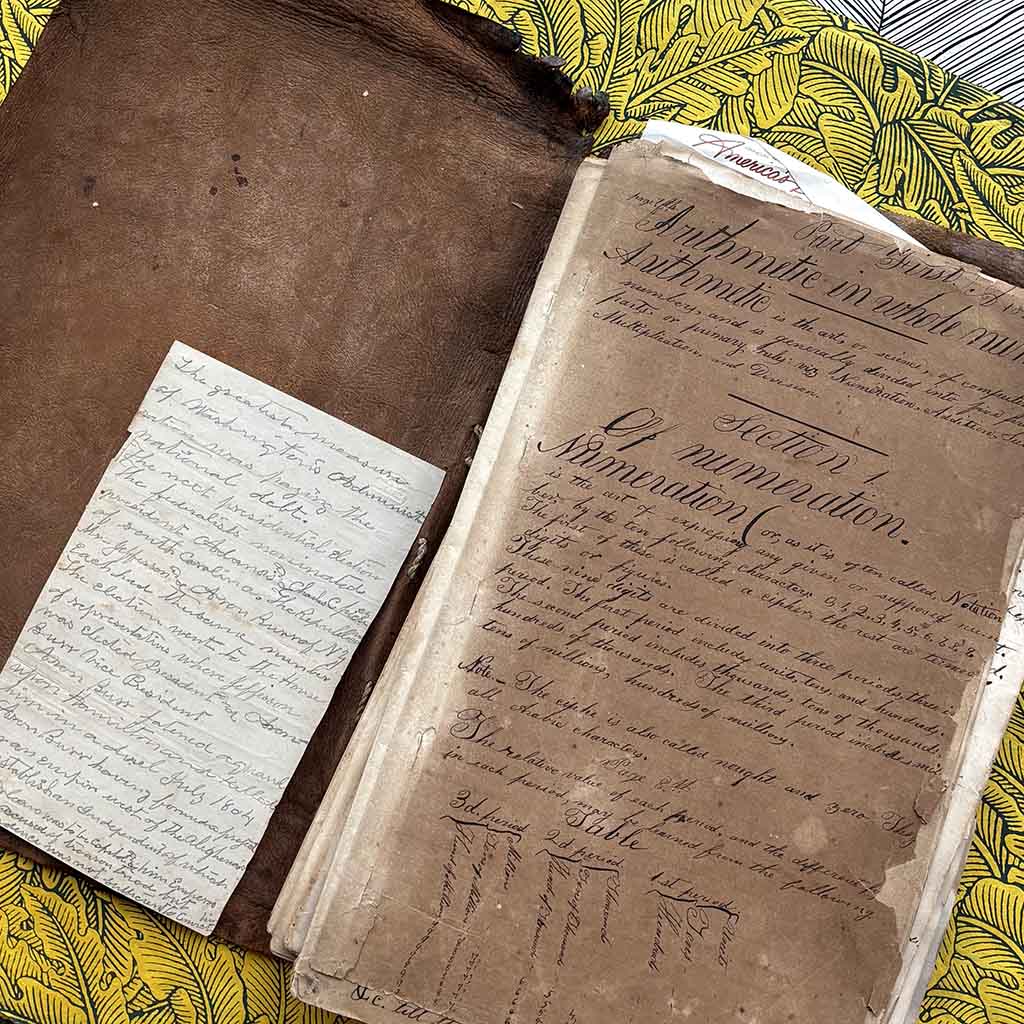
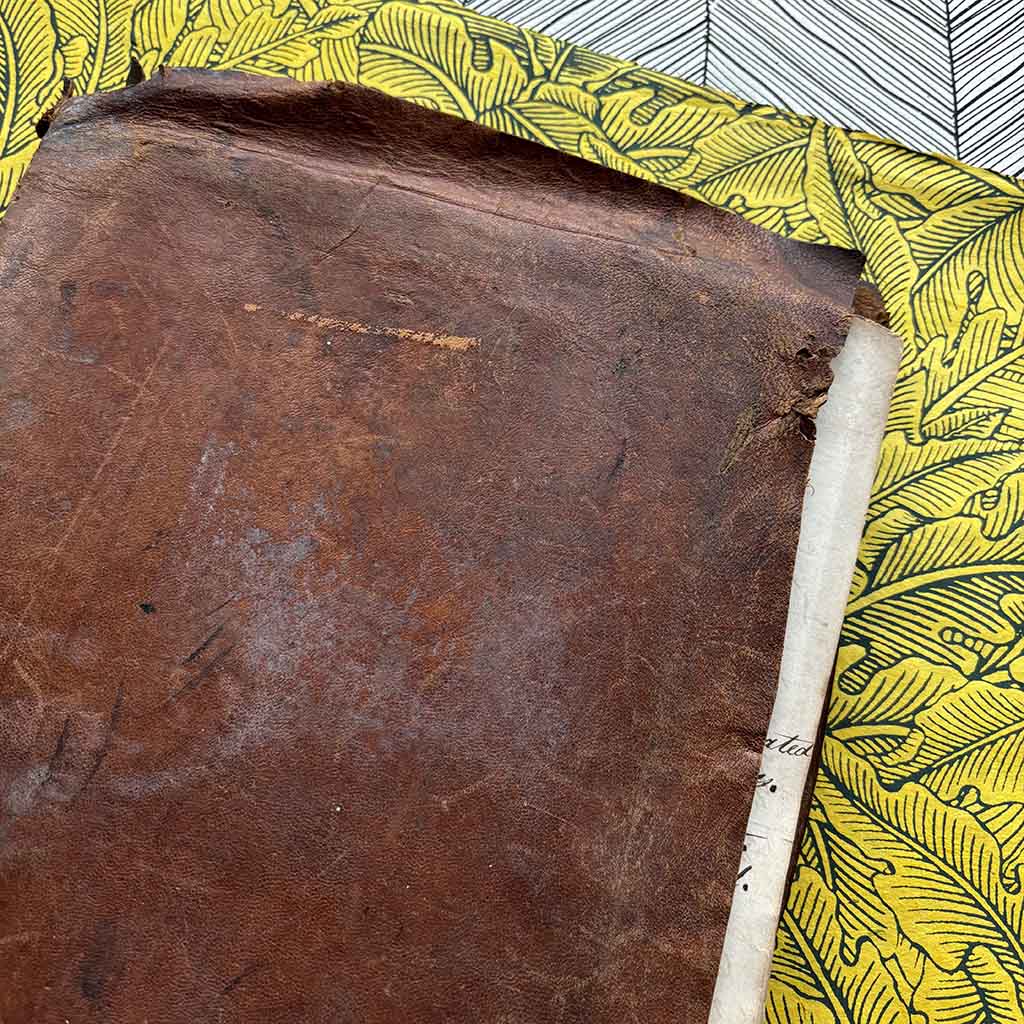
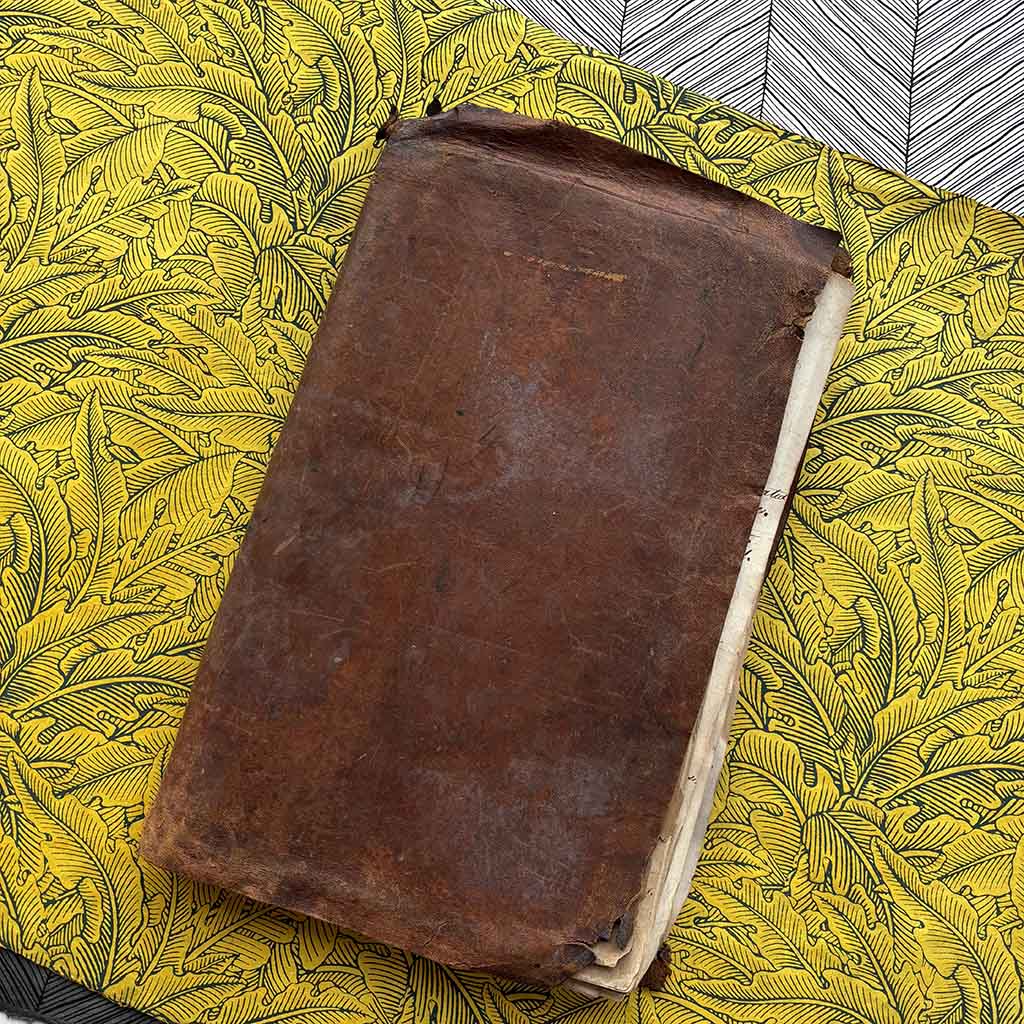
Some books were meant to be read. Others were meant to be used. This workman’s cypher clearly falls into the second category.
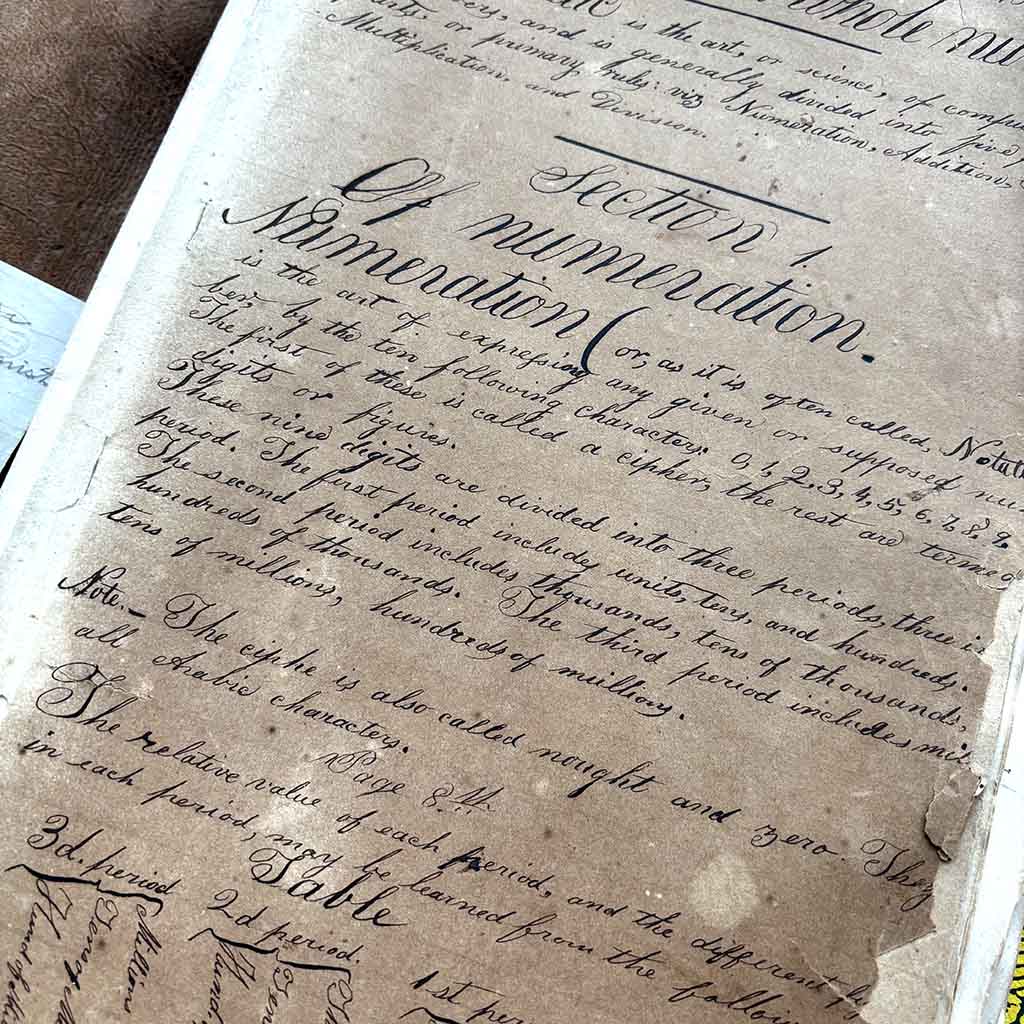
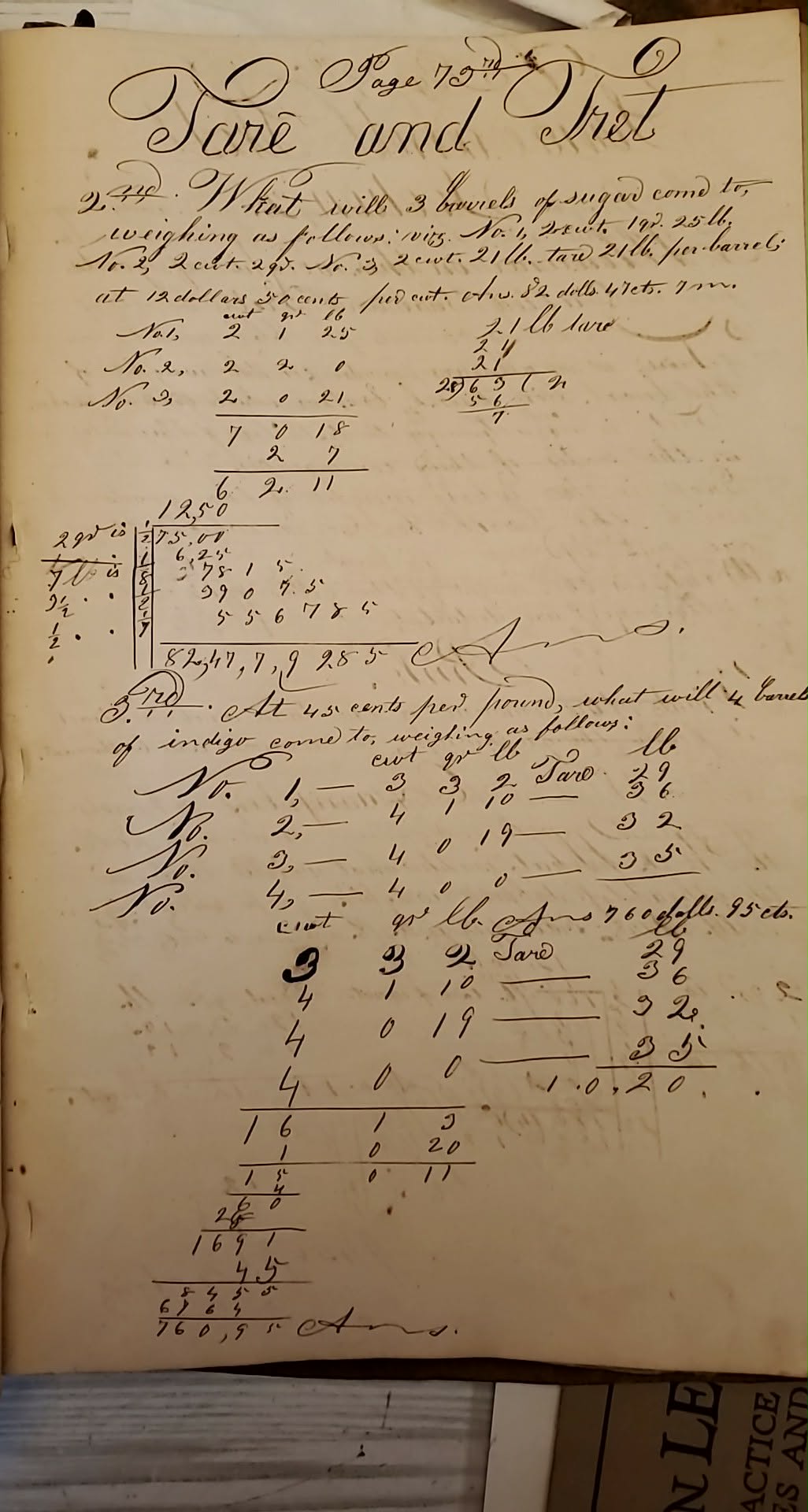
Long before calculators or printed technical manuals were widely available, tradesmen often relied on handwritten arithmetic guides like this one. These books served as portable references for solving practical problems that came up in daily work. Carpenters, masons, plasterers, and painters needed to calculate measurements, estimate materials, and determine costs. Instead of reaching for a phone or spreadsheet, they reached for a book like this, filled with formulas, worked examples, and careful calculations.
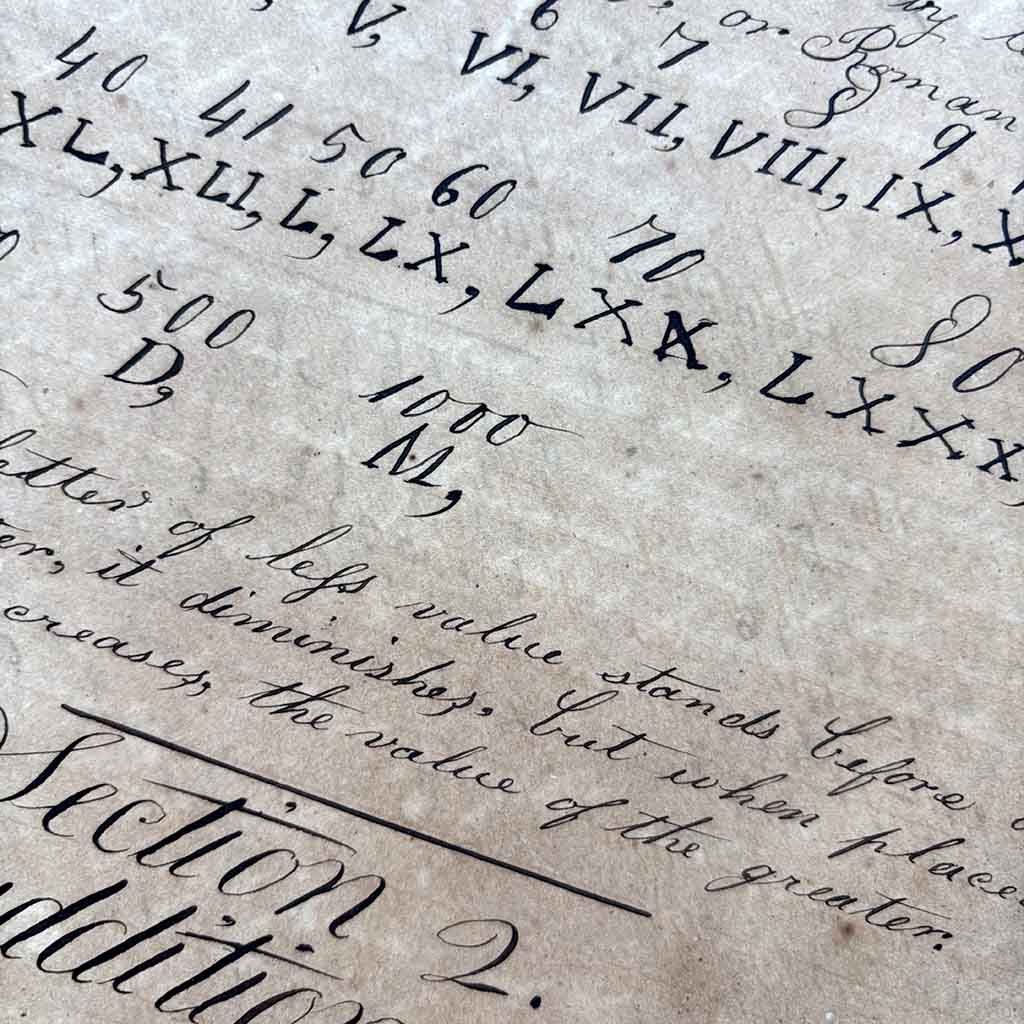
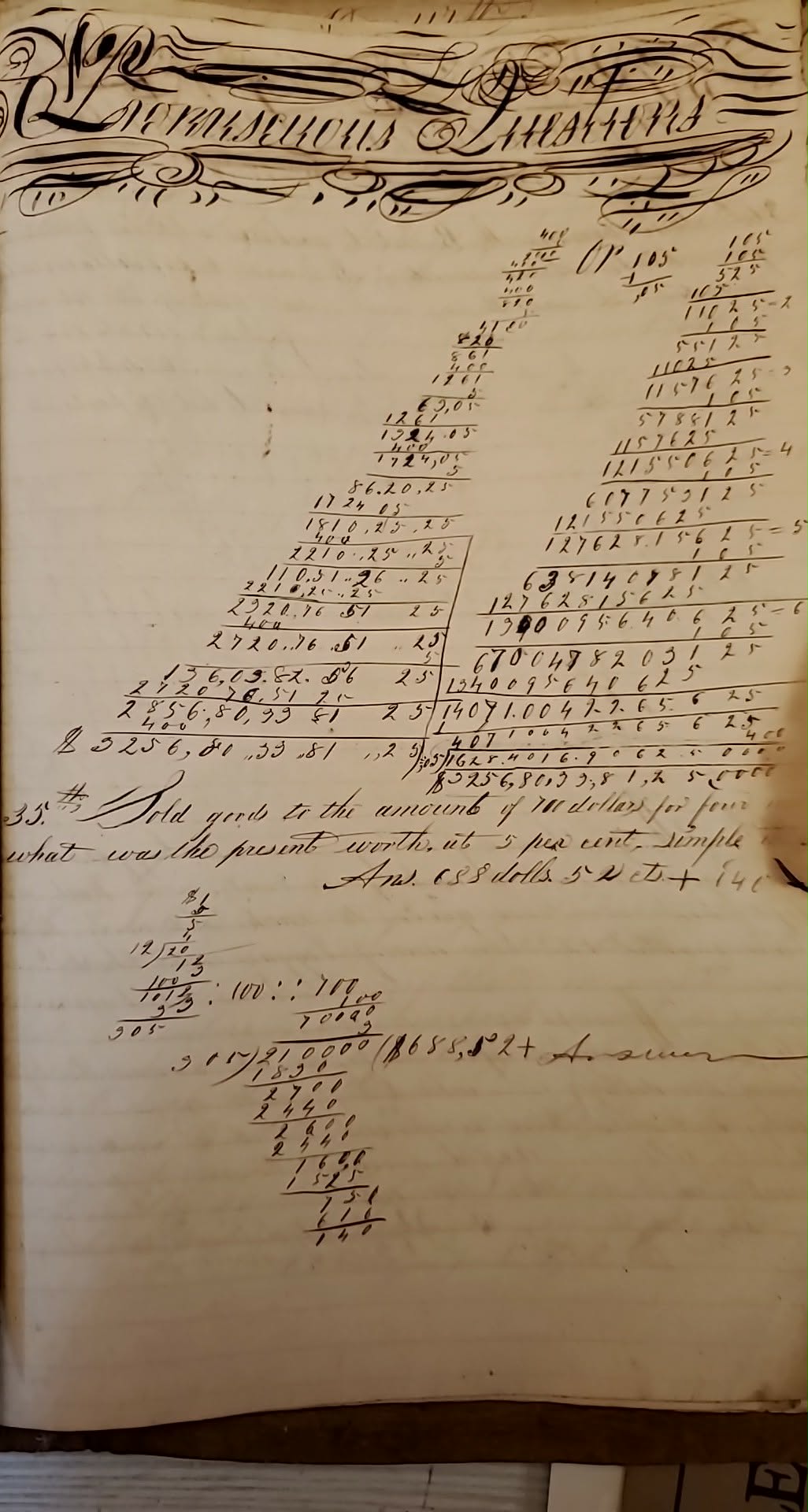
What makes this cypher especially wonderful is how grounded the mathematics is in real life. The pages move through sections devoted to Bricklayer’s Work, Mason’s Work, Plasterer’s Work, Paver’s Work, and Painter’s Work, each presenting problems that a tradesman might genuinely encounter. One page calculates the cost of plastering a ceiling. Another determines how many bricks are required for a wall of a given size. The problems are written in elegant script, followed by columns of arithmetic worked out step by step. The handwriting itself is part of the pleasure here. The bold flourishes at the top of each page suggest someone who took real pride in both their penmanship and their mathematical skill.
My favorite section is titled “Promiscuous Questions.” The name sounds wonderfully scandalous today, but in nineteenth century arithmetic it simply meant a mixed assortment of problems. Here the book wanders beyond building trades into puzzles and financial calculations. One question asks about the age of a man whose grandfather is 112 years old. Another works out the value of shares in a copper mine. It feels almost like the recreational section of the notebook, where the writer tested their abilities against a grab bag of numerical riddles.
What I love most about this cypher is how alive it feels. The ink flourishes show a steady hand. The dense columns of numbers reveal hours of patient work. Each page captures a moment when someone sat down with pen, paper, and a problem to solve. Two centuries later, those calculations still sit quietly on the page, preserving a small record of the mathematical thinking that once helped build the physical world around us.