Victorian Scrapbooks
We tend to think of modern collage as something invented in the early twentieth century, pioneered by the Dadaists and by Picasso, pasting scraps of newspaper into his paintings. But they were standing on the shoulders of the Victorians. Long before collage had a name, people were cutting, arranging, and adhering printed matter into elaborate personal compositions inside their scrapbooks.
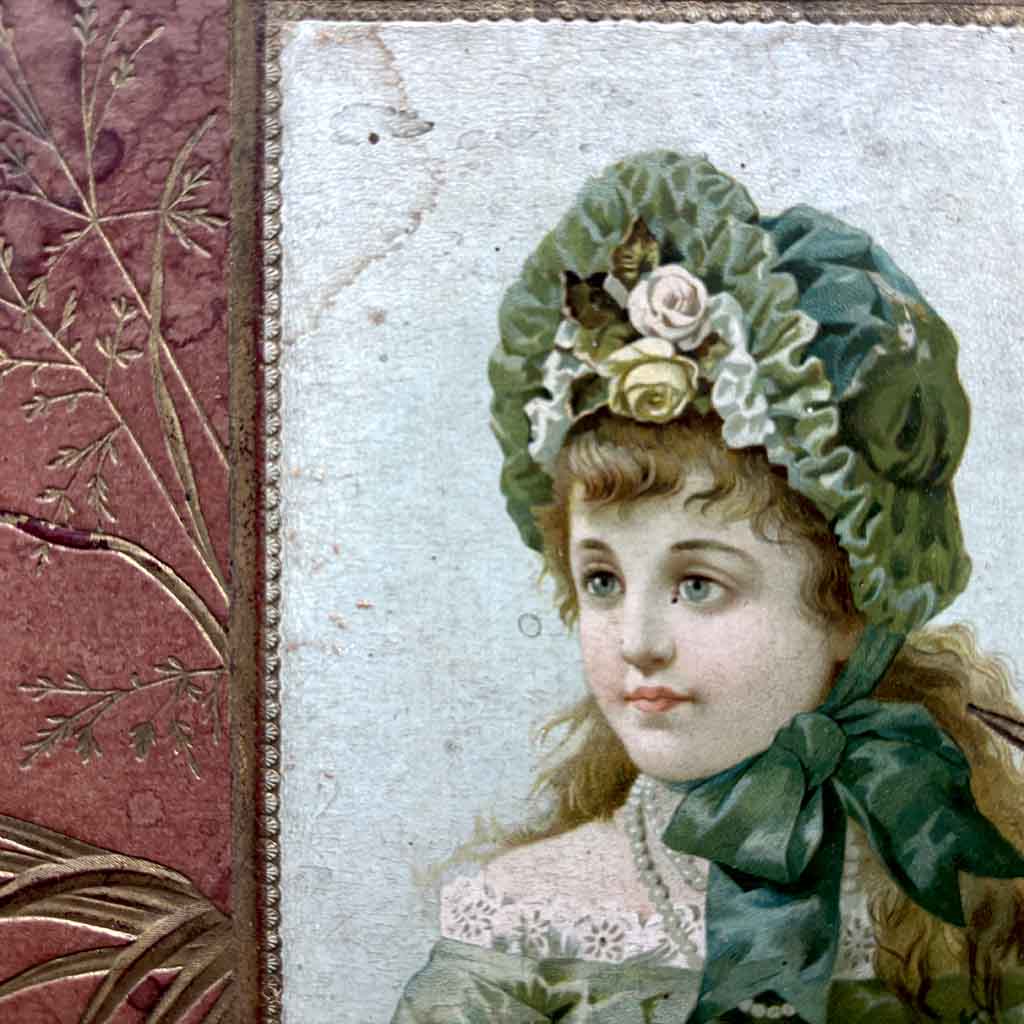
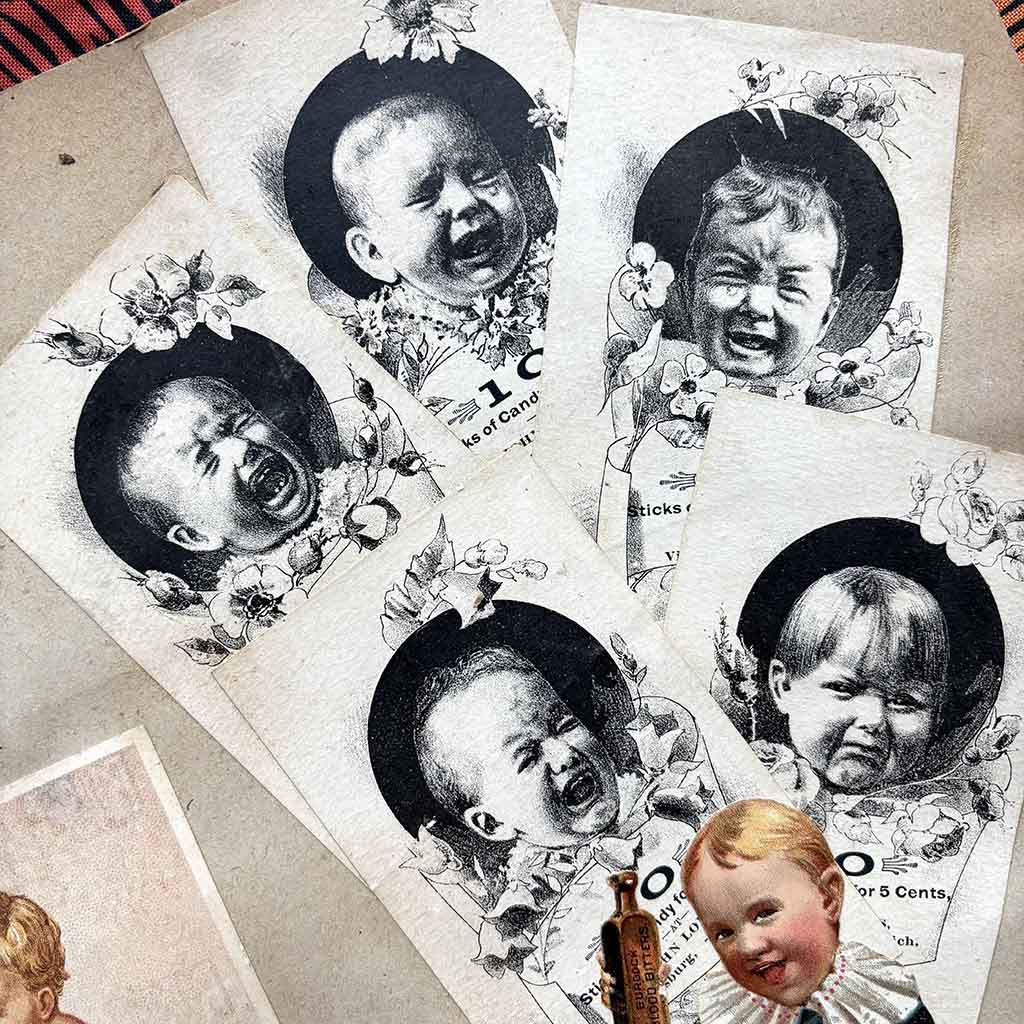
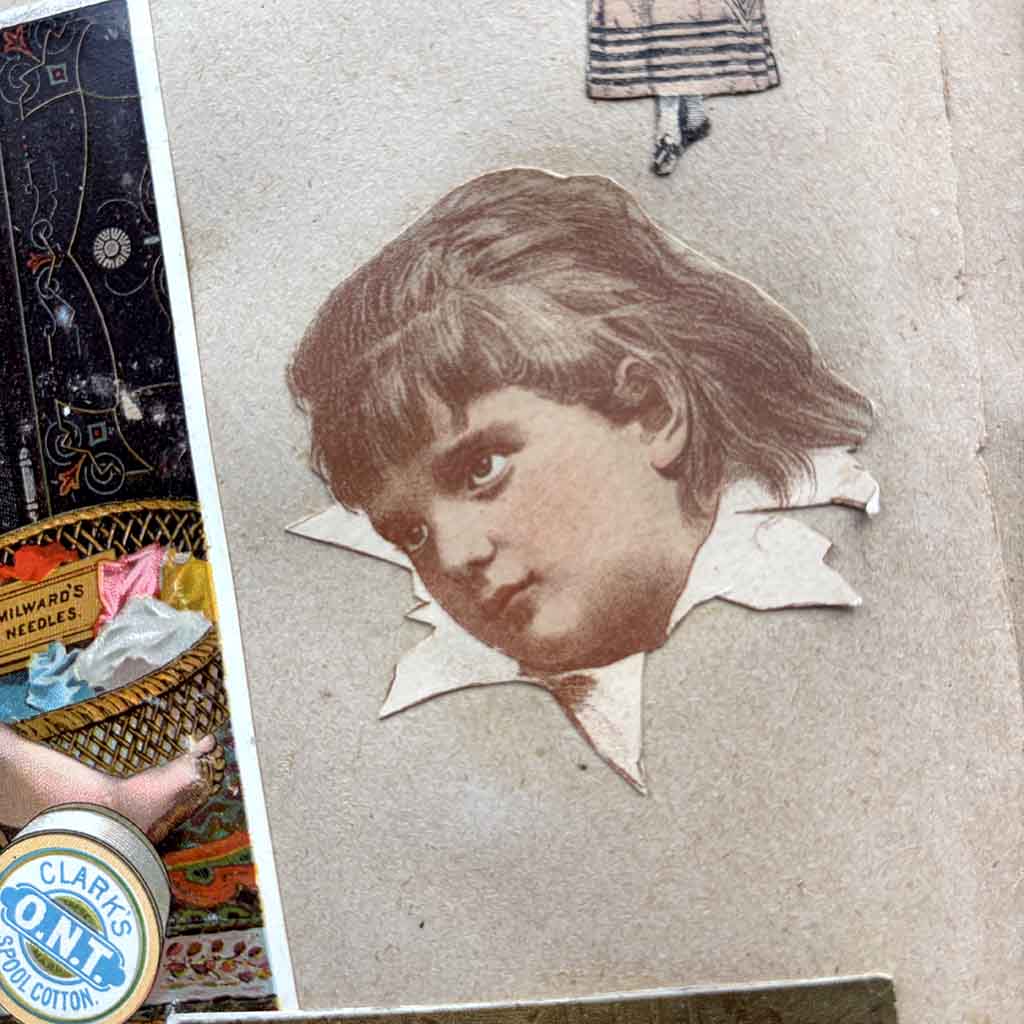
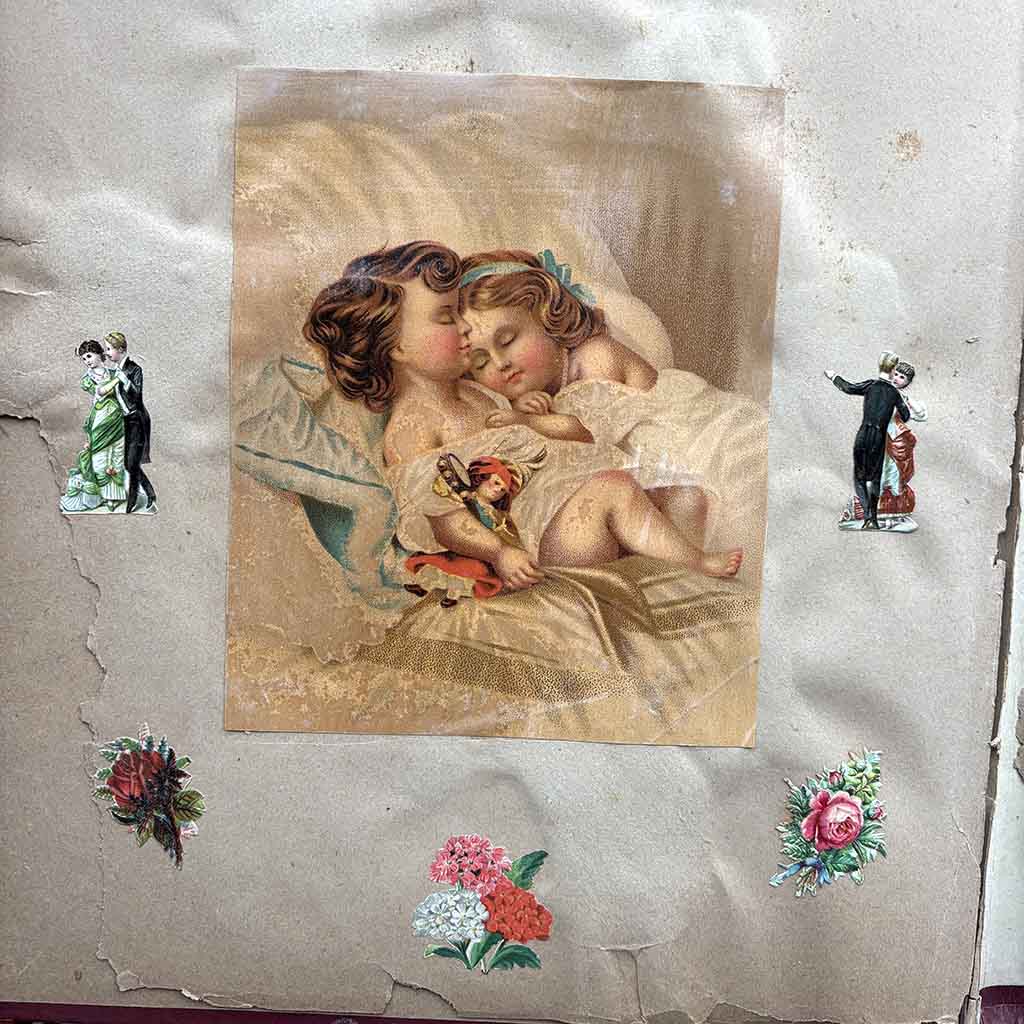
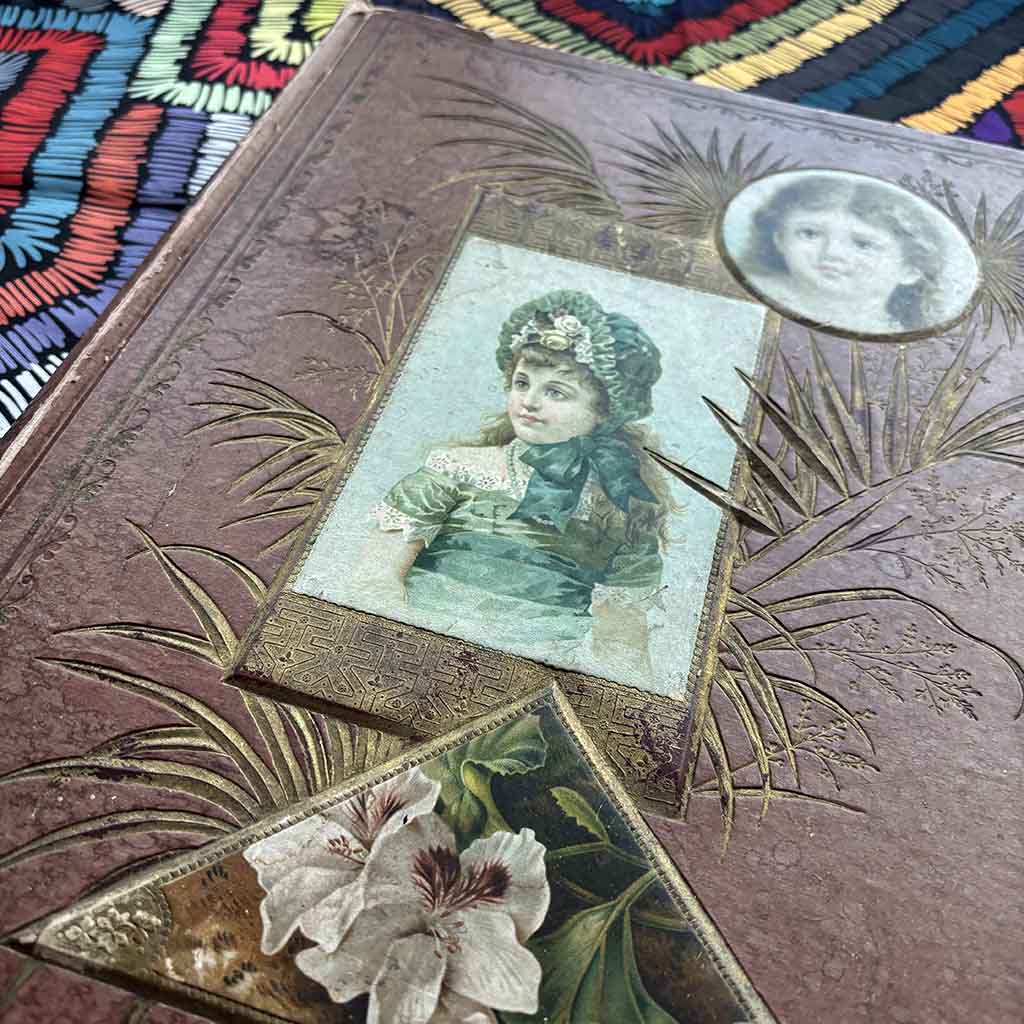
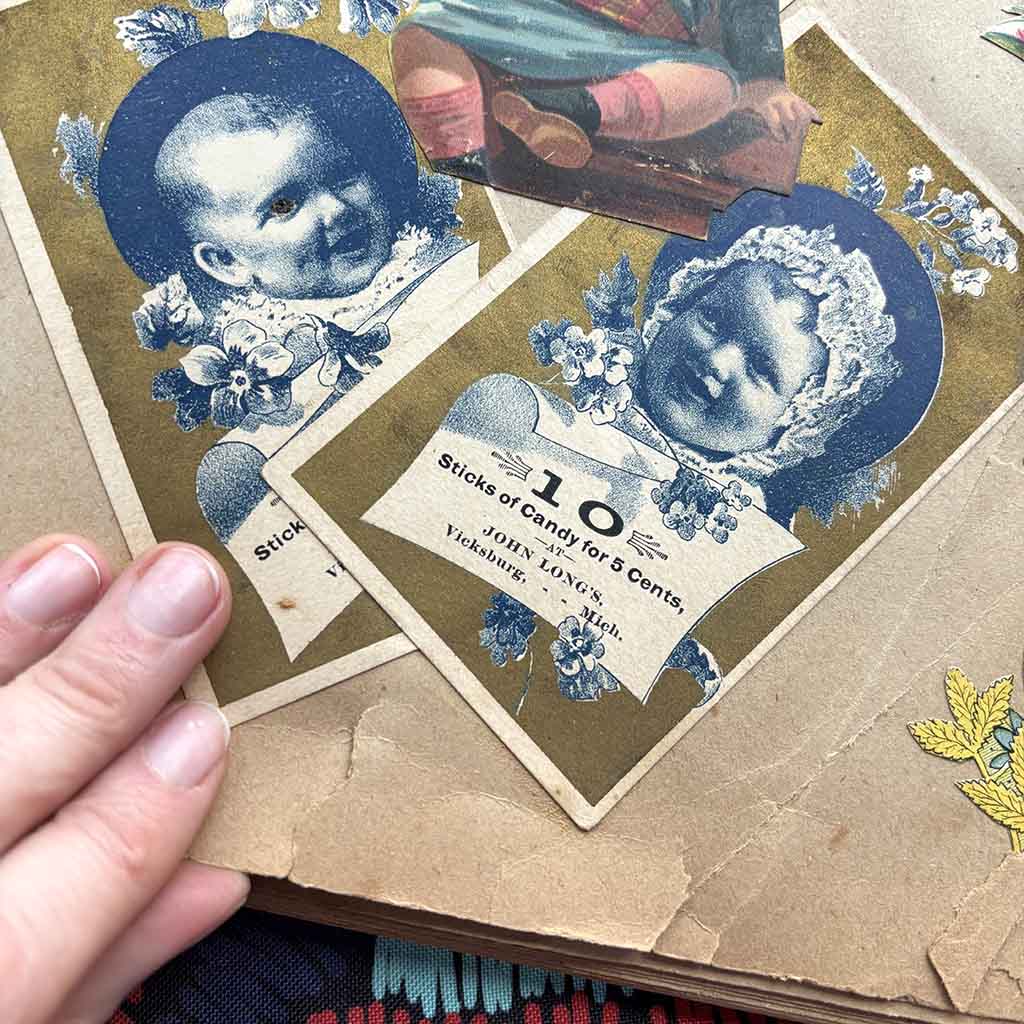
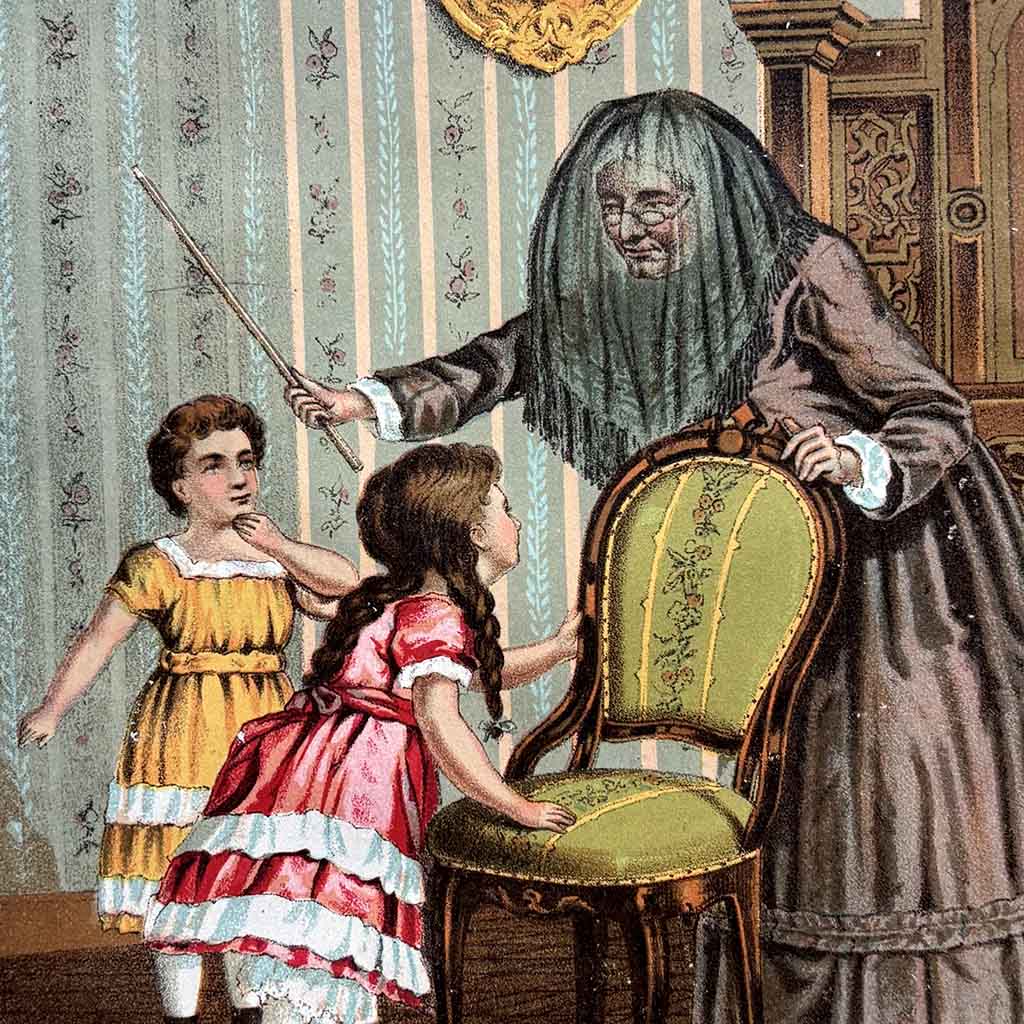
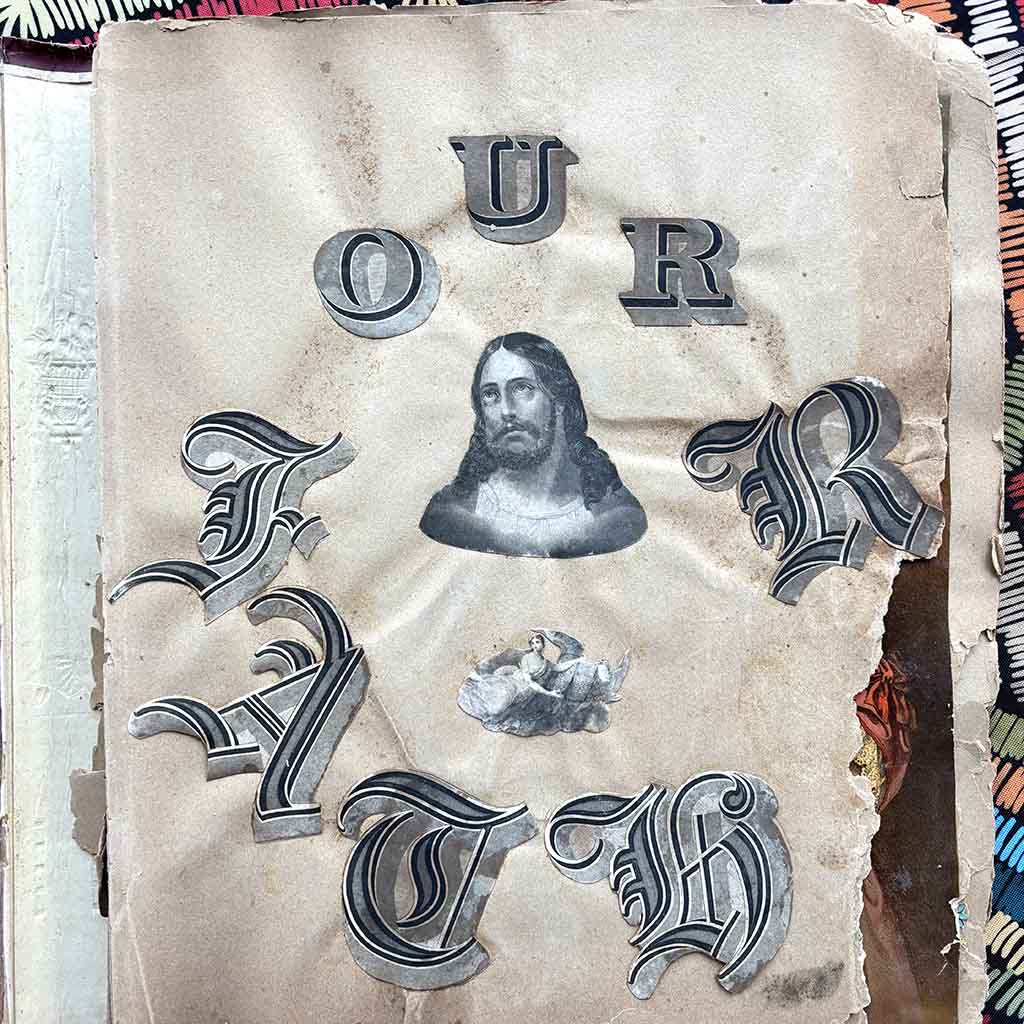
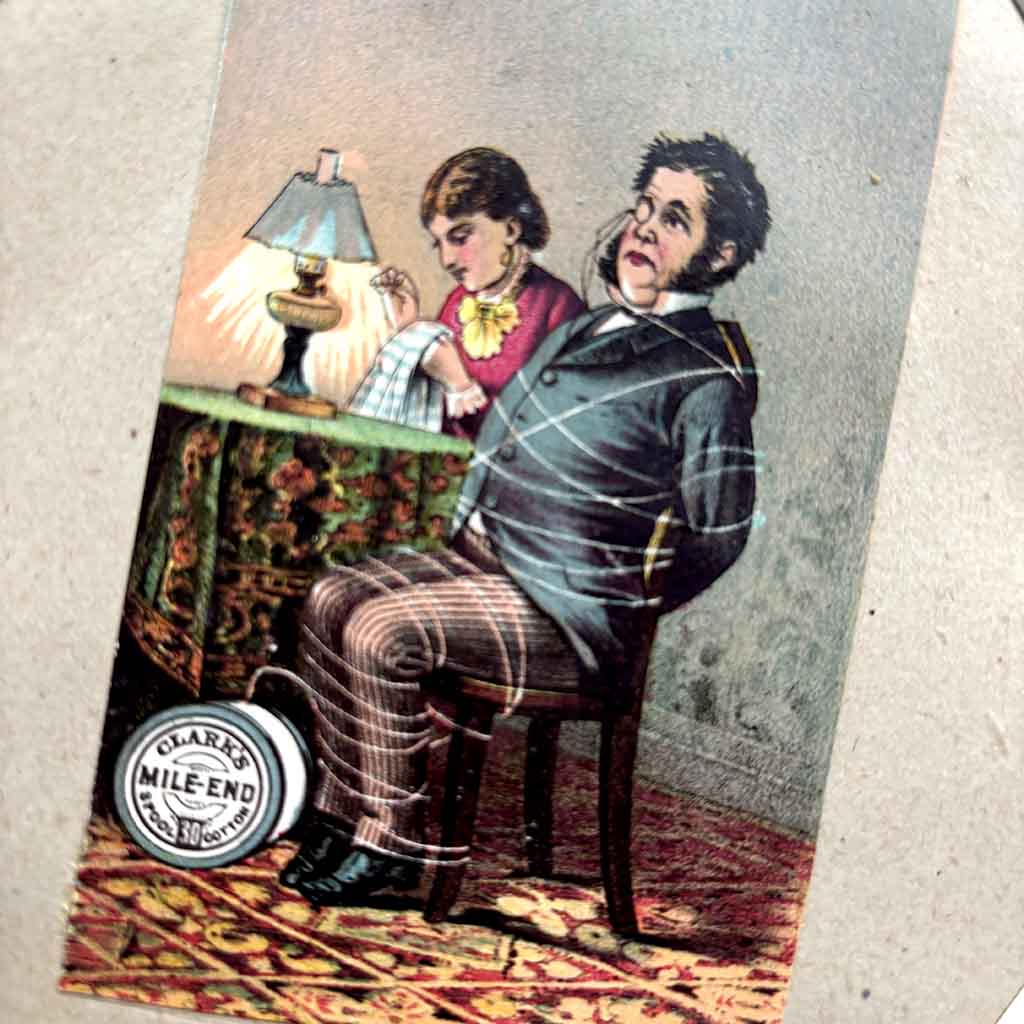
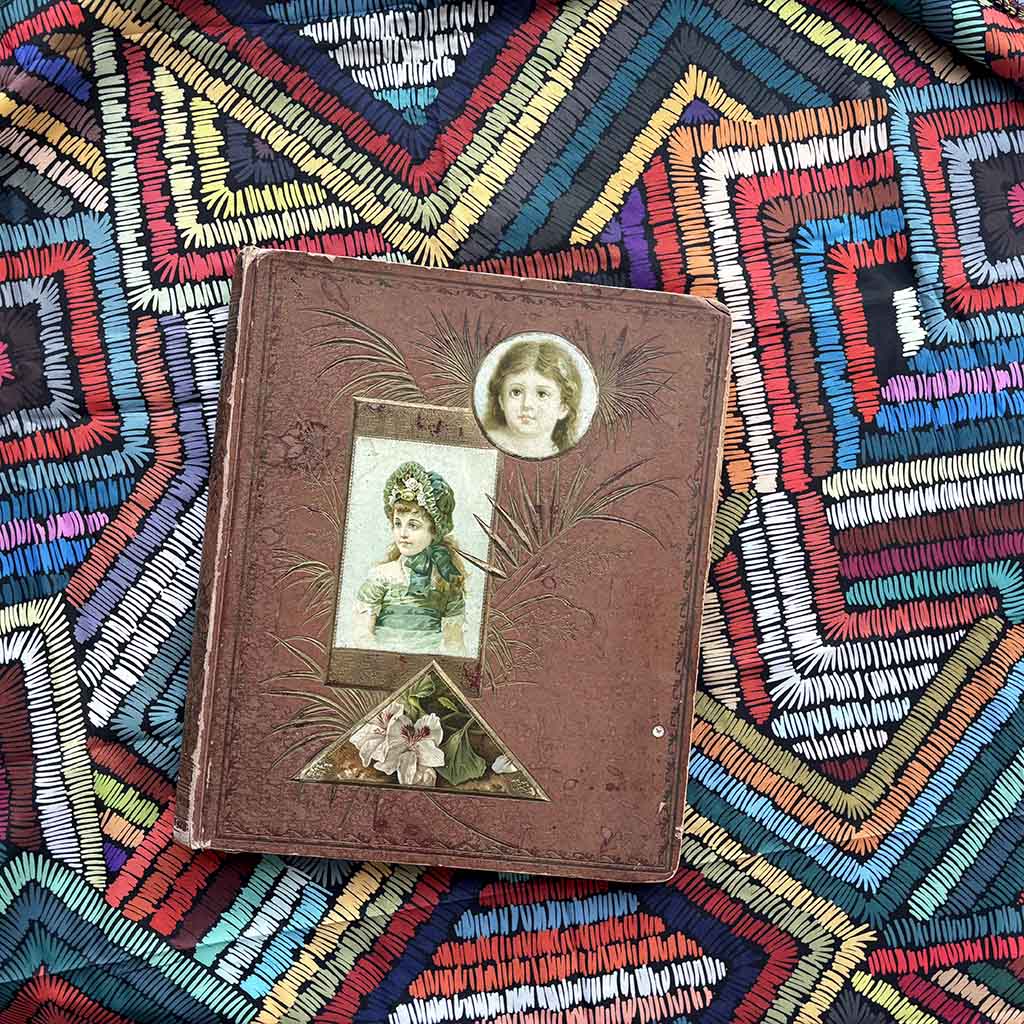
In the nineteenth century, scrapbooking became a widespread domestic pastime. Advances in color lithography and mass printing flooded the market with trade cards, die cuts, advertising scraps, devotional images, calling cards, and sentimental illustrations. Albums were filled with chromolithographed flowers, children, animals, elaborate typography, and sometimes deeply strange moral scenes. These books were not casual. They were curated. Arranged. Composed. Pages were balanced with care. Space was negotiated. Themes emerged. What looks quaint to us now was, in its moment, a living visual language.
Victorian scrapbooks were acts of authorship. They organized the chaos of the modern world, advertisements, religious imagery, celebrity portraits, product branding, into something coherent and personal. In an era when printed matter was suddenly abundant, the scrapbook became a way to slow it down. To choose what to keep. To place one image beside another and create meaning through proximity. It was both collecting and storytelling at once.
Today’s scrapbookers and ephemera collectors are driven by the same impulse. We rescue paper that was never meant to last. We sort it into piles. We make little taxonomies of our own invention. There is a deep satisfaction in that work, in aligning edges, in building a page, in seeing disparate fragments begin to speak to one another.
Whether we call it collage, junk journaling, archiving, or collecting, the urge is ancient and ongoing. With just paper, scissors, and glue, you can create your own little world. How wonderful!